
Incident Management and Coordination training courses in Brussels, Belgium
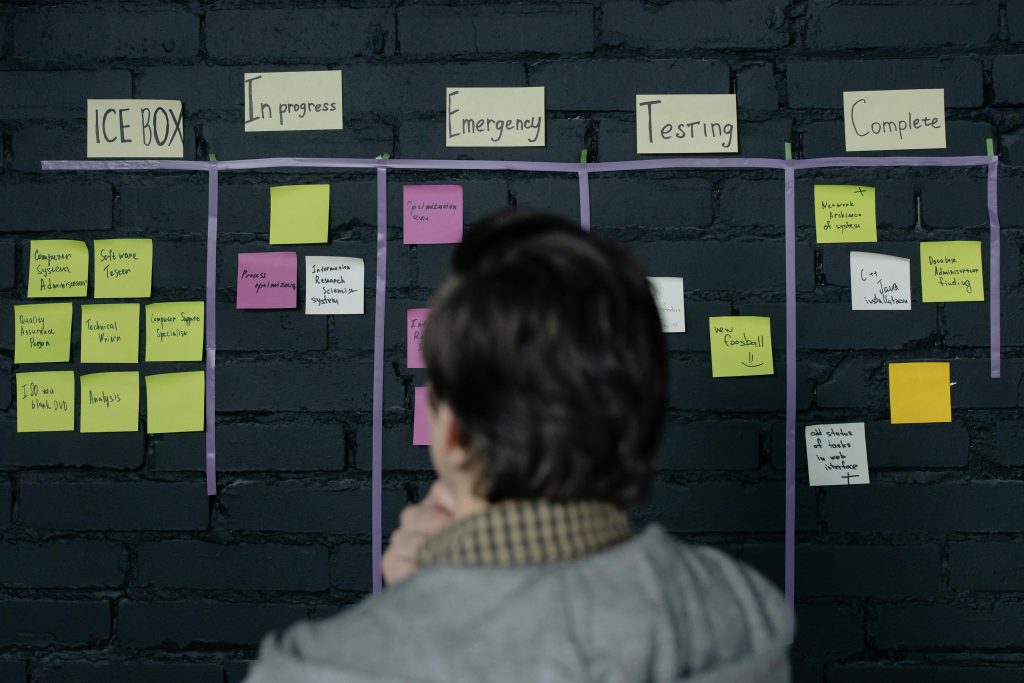
Effective incident management and coordination are essential for organizations to respond efficiently to unexpected events, minimize disruption, and protect people, assets, and reputation. In Brussels, where organizations operate in multicultural and dynamic environments, the ability to manage incidents strategically ensures continuity and operational resilience. Professionals trained in incident management can lead teams effectively, coordinate resources, and maintain clarity under pressure.
The Incident Management and Coordination Training in Brussels, Belgium equips participants with practical strategies, frameworks, and tools to handle incidents from identification to resolution. Through interactive workshops, scenario-based exercises, and case studies, participants will learn how to manage resources, communicate effectively, implement structured response plans, and coordinate with internal and external stakeholders during emergencies.
By completing this program, professionals will gain the confidence and competence to manage incidents proactively, make informed decisions under pressure, and strengthen organizational resilience. The training prepares participants to respond to incidents efficiently, coordinate teams effectively, and ensure operational continuity.
Module 1: Introduction to Incident Management
Understanding the principles and importance of incident management
Differentiating between incidents, crises, and emergencies
Identifying organizational vulnerabilities and potential incident types
Recognizing roles and responsibilities in incident response
Module 2: Incident Identification and Assessment
Detecting and reporting incidents promptly
Assessing the severity, impact, and urgency of incidents
Prioritizing response actions based on organizational objectives
Using tools and techniques for accurate incident evaluation
Module 3: Incident Response Planning
Developing structured incident response plans and protocols
Establishing roles, responsibilities, and communication channels
Preparing checklists, guidelines, and standard operating procedures
Integrating incident response with organizational emergency and continuity plans
Module 4: Coordination and Team Management
Organizing and leading response teams effectively
Assigning responsibilities and ensuring accountability
Facilitating collaboration across departments and external partners
Maintaining focus, morale, and productivity during incidents
Module 5: Communication During Incidents
Developing internal and external communication strategies
Providing clear, concise, and timely updates to stakeholders
Managing media relations and public messaging
Ensuring transparency and consistency in communication
Module 6: Resource Management and Logistics
Allocating resources efficiently during incidents
Monitoring availability and performance of personnel and equipment
Coordinating support services and external agencies
Adjusting strategies dynamically based on incident progression
Module 7: Scenario-Based Exercises and Simulations
Participating in realistic incident management simulations
Practicing decision-making, team coordination, and communication
Evaluating performance and identifying areas for improvement
Applying lessons learned to real-world incident scenarios
Module 8: Continuous Improvement in Incident Management
Reviewing and analyzing past incidents to enhance response plans
Updating policies, procedures, and training programs
Fostering a culture of preparedness and proactive management
Ensuring organizational resilience and readiness for future incidents
Incident management and coordination are critical for organizations seeking to respond efficiently to unexpected events and maintain operational stability. In Brussels, where workplaces are dynamic and multicultural, the ability to manage incidents strategically ensures that organizations can protect people, assets, and reputation while sustaining business continuity.
The Incident Management and Coordination Training in Brussels, Belgium equips participants with practical tools, frameworks, and hands-on experience to identify, assess, and manage incidents effectively. By applying the skills and strategies gained in this program, professionals can lead teams with confidence, coordinate resources efficiently, and strengthen overall organizational resilience.
Ultimately, this training empowers participants to respond proactively, make informed decisions under pressure, and cultivate a culture of preparedness and continuous improvement across their organizations.